Hi All
We will be having a committee meeting on the 14th May to discuss the following events.
Etape du dales 5th Jul 2026
Ilkley Half Marathon 12th July 2026
War of the Roses Ride 25 & 26 July 2026
Scouts Six Dales Walk 27 September 2026
The meeting will be held in the Bronte, Lees Lane, Keighley BD22 8RA on Thursday 14th May at 21:00.
Please try and attend if you can
Geoff G7JZM
Author:Mike G7HEN
Three Peaks Fell Race, Thank You
 Hello 3 Peaks RAYNETeers,
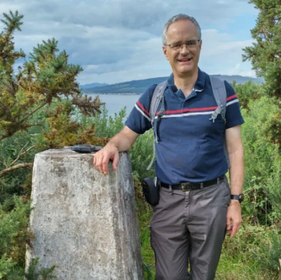
Dropping you a line to say thank you to everyone for your hard work on Saturday helping to make the RAYNET cover of the Three Peaks Fell Race successful. All told we had 39 operators involved in the event across a whole variety of tasks, each and everyone of you played a part in making it successful overall.
On the day the Race Director thanked me for RAYNET’s efforts and asked that I extend his thanks to all of you. I’ve had no formal feedback yet, that will come after the ‘checkpoint leaders debrief meeting’ which I will attend, but informally a few of the race committee said they thought the RAYNET operation ran smoothly.
It was a warm day, in general times were a bit slower, but the warm conditions meant we were able to extend cut off times slightly without putting hilltop marshals and RAYNET at risk.
As usual, if you have any feedback, please let me know.
Next year’s event will be on Saturday 24th April 2027 if you want to pop it in your calendar? Keep an eye out for another email from me soon about The Hodgdon Brothers’ Mountain Relay on 3rd October 2026.
Thanks again, 73 Mike
—–
Mike Higlett CEng G6WTM
Controller Nidderdale RAYNET Group
Club night
We will be holding our radio club night in The Bronte, Lees Lane, Keighley BD22 8RA on Thursday at 20:00
Three Peaks Fell Race 24th April 2027
You must be logged into the site to view this content
White Rose Classic (Event Area)
You must be logged into the site to view this content
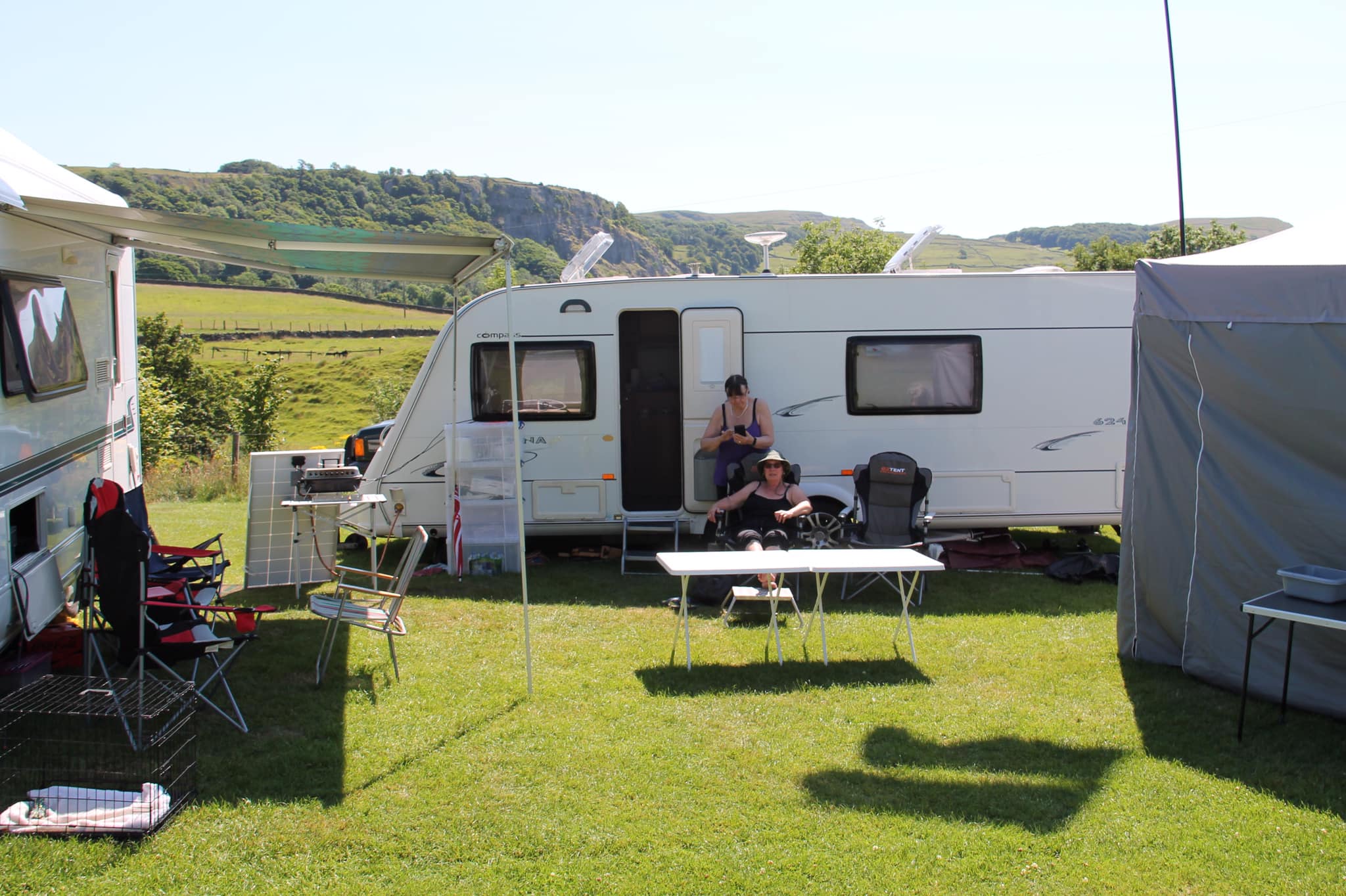
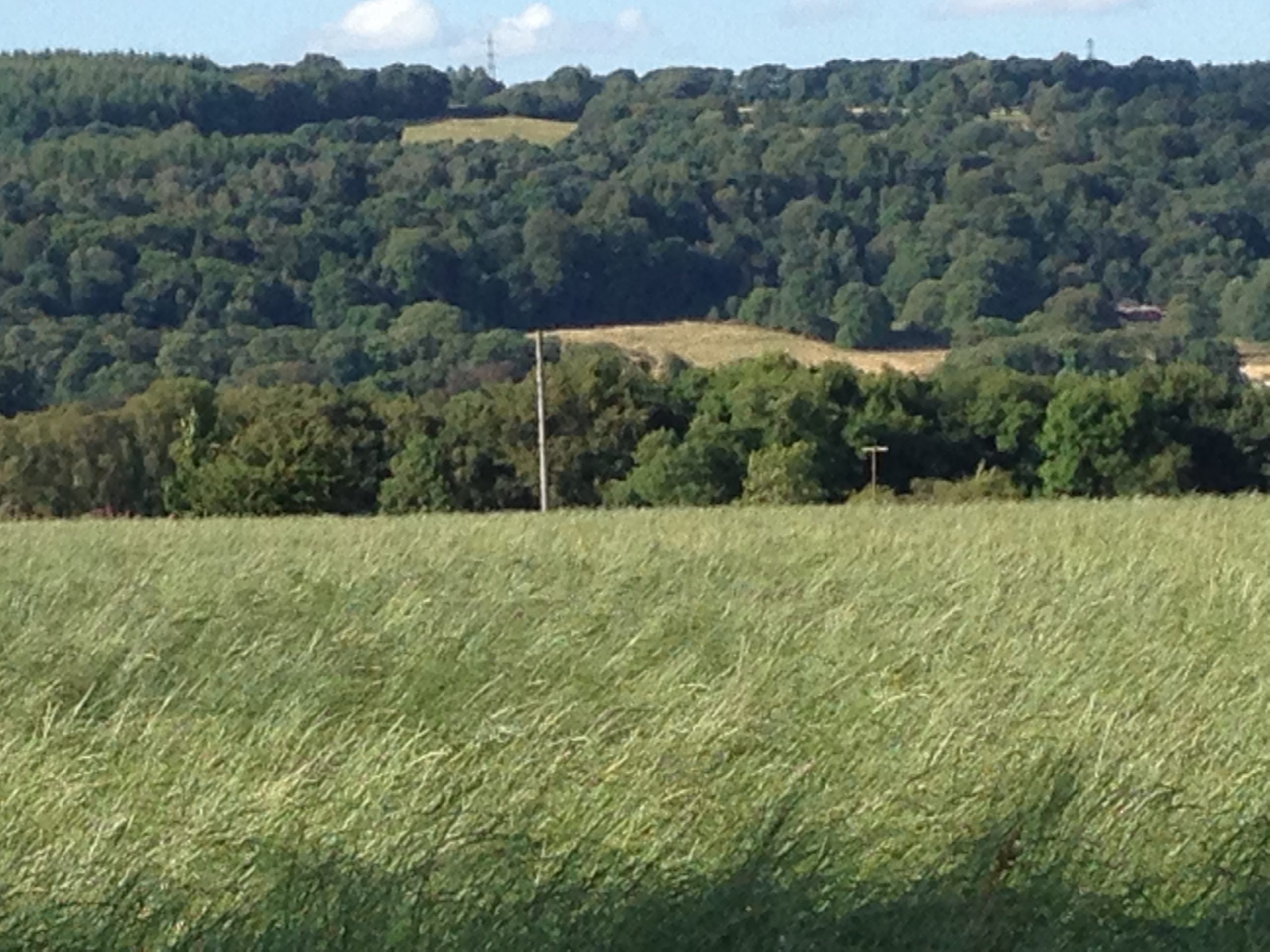
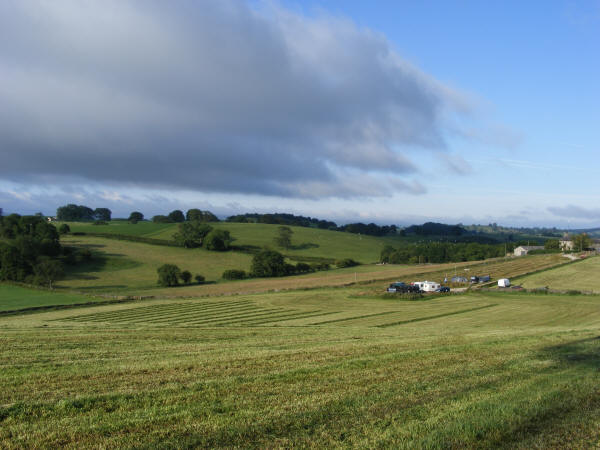
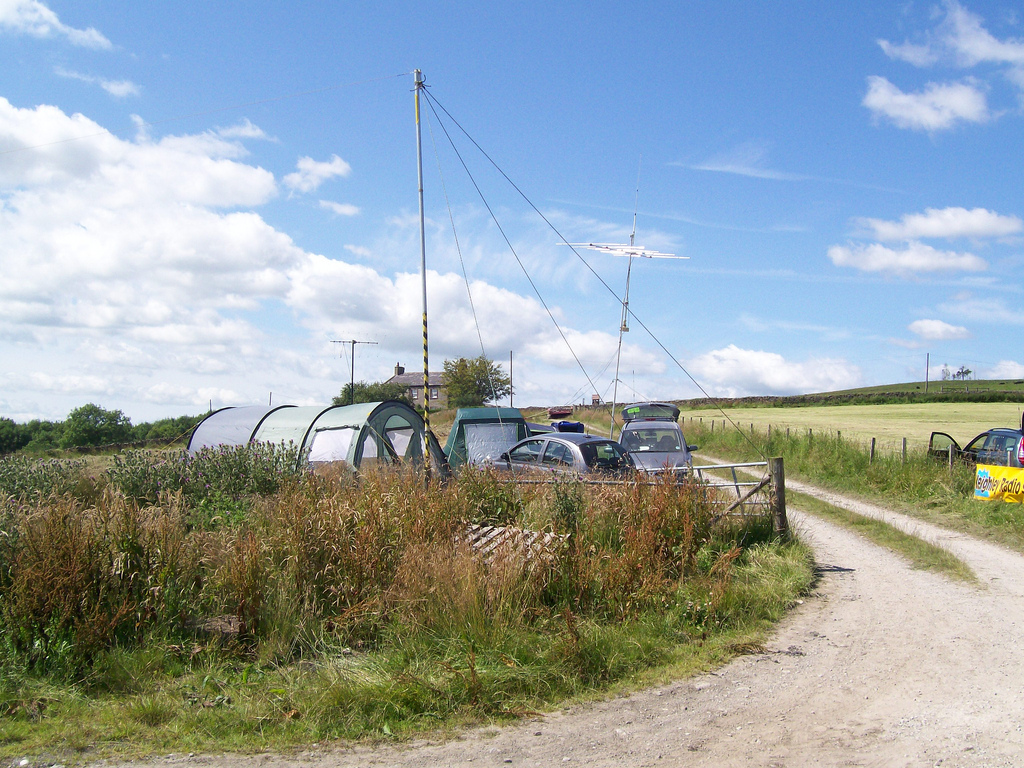
Keighley Radio Society & Keighley RAYNET Camping (Event Area)
Committee Meeting Agenda and Location
You must be logged into the site to view this content
Etape du dales 5th Jul 2026 HEN
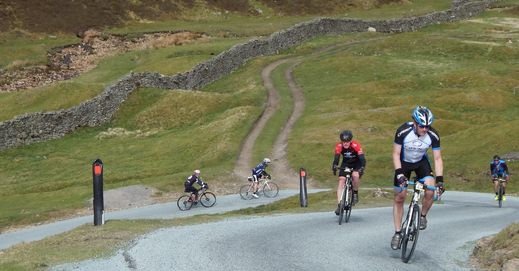
Brian G0RHI and Mike G7HEN are looking for operators for the Etape du dales on the 2026. Please let them know if you are available.
We have a new and exciting route for 2026, taking in a whole host of new climbs and challenges in the Yorkshire Dale National Park. The route will be 177km and have almost 3,600m of ascent, so very much in keeping with the previous challenging routes.
If you’re interested in helping and would like to know more, please contact Mike or Brian
RAYNET Templates
You must be logged into the site to view this content
all email
KARS Events widgets
Committee Meeting Agenda
The Agenda
- Welcome from Chairman or Secretary
- Apologies for Absence
- Minutes of the last meetings
- Maters Arising from the Minutes
- Any Other Business
- Next meeting date
- The meeting to a close by the Chairman or Secreta
Committee Meeting Minutes
You must be logged into the site to view this content
11th June 2026 Committee Meeting (Awaiting Approval)
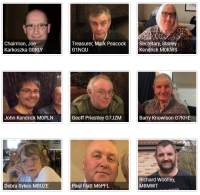 The meeting for the new committee will take place at 20:30 in The Bronte, Lees La, Keighley BD22 8RA
Committee Meeting Agenda
The Agenda
- Welcome from Chairman or Secretary
- Apologies for Absence
- Minutes of the last meetings
- Maters Arising from the Minutes
- Any Other Business
- Next meeting date
- The meeting to a close by the Chairman or Secreta
Committee Meeting Minutes
You must be logged into the site to view this content
RAYNET Email addresses (JZM)
https://webmail.fasthosts.co.uk/?user=raynet@keighleyradio.co.uk
Password – 2026@2026
Keighley RAYNET Email
grahamw99@gmail.com; geoffg7jzm@gmail.com; shirley@mmofficeservices.co.uk; kath_conlon@tiscali.co.uk; jkwaterside@aol.com; gridley62@gmail.com; g6nti@btinternet.com; alexandramatthews48@gmail.com; sheila.g0tsj@outlook.com; joe.g0rly@outlook.com; gail.leverton@yahoo.com; m0vhg@gmx.com; bill@novella.co.uk; mcglynnb2@aol.com; mike.parker1@raynet-uk.net; rlenicker@hotmail.com; jacques.davem@gmail.com; dave52wilki@yahoo.co.uk; debgs@live.co.uk; richard.woolley@hotmail.co.uk; mikeg7hen@gmail.com; slingerian@yahoo.co.uk
Keighley RAYNET committee Email
geoffg7jzm@gmail.com; shirley@mmofficeservices.co.uk; g6nti@btinternet.com; sheila.g0tsj@outlook.com; joe.g0rly@outlook.com; gail.leverton@yahoo.com; mikeg7hen@gmail.com;
Other RAYNET Email
cnhdrayton@gmail.com; withers.alan@virginmedia.com; richard.corfield@gmail.com; richard.ramsey@ntlworld.com; b.jebb@sky.com; g8xqs@btinternet.com; ajpripley@yahoo.com; brian.dooks@btinternet.com; stevegroves04@gmail.com; rossross7@googlemail.com; leeamason@gmail.com; tedwharton123@btinternet.com; higlett@gmail.com;
Guests mileage clam form Members 2026
Mileage clam form for 2026 only
Who can clam
Any RAYNET member from any RAYNET group that attended the event below. You can clam from Keighley Town Hall and back
Rombald Stride
White Rose Classic
War of the Roses Endurance GB Ride
Scouts Six Dales Walk
Only Keighley members for the events below. You can clam from Keighley Town Hall and back
Three Peaks Fell Race
Etape du Dales Cycle Sportif
BT Three peak walk
Ilkley Half Marathon
RAYNET Guests Calendar
Keighley Amateur Radio Society email
https://accounts.google.com/v3/signin/accountchooser?authuser=0&continue=https%3A%2F%2Fmyaccount.google.com%2Ffamily%2Fdelete%3Fgar%3DWzEyMF0&dsh=S571289431%3A1774180260636314&flowEntry=AccountChooser&flowName=GlifWebSignIn&followup=https%3A%2F%2Fmyaccount.google.com%2Ffamily%2Fdelete%3Fgar%3DWzEyMF0&rart=ANgoxceFKd6eCDko56Otre3qCancUbhP5IpQ3UVoOexGzGz6_8MAkNutPCtaRG859AMRdgPCxgr_1icplCvQUa4EftQSqlxYiyrCXQkSFr7zgCliOtbqAN4&rpbg=1&service=accountsettings
https://accounts.google.com/v3/signin/accountchooser?authuser=0&continue=https%3A%2F%2Fmyaccount.google.com%2Ffamily%2Fdelete%3Fgar%3DWzEyMF0&dsh=S571289431%3A1774180260636314&flowEntry=AccountChooser&flowName=GlifWebSignIn&followup=https%3A%2F%2Fmyaccount.google.com%2Ffamily%2Fdelete%3Fgar%3DWzEyMF0&rart=ANgoxceFKd6eCDko56Otre3qCancUbhP5IpQ3UVoOexGzGz6_8MAkNutPCtaRG859AMRdgPCxgr_1icplCvQUa4EftQSqlxYiyrCXQkSFr7zgCliOtbqAN4&rpbg=1&service=accountsettings
https://accounts.google.com/v3/signin/challenge/pwd?TL=AHU8sQtHKx5oViqVoDdD_GguEXVmR0KBbGhRF0vGoZ-8j7hFr1JQXa3C4c1FhN7d&authuser=0&cid=2&continue=https%3A%2F%2Fmyaccount.google.com%2Ffamily%2Fdelete%3Fgar%3DWzEyMF0&dsh=S571289431%3A1774180260636314&flowEntry=AccountChooser&flowName=GlifWebSignIn&followup=https%3A%2F%2Fmyaccount.google.com%2Ffamily%2Fdelete%3Fgar%3DWzEyMF0&rart=ANgoxceFKd6eCDko56Otre3qCancUbhP5IpQ3UVoOexGzGz6_8MAkNutPCtaRG859AMRdgPCxgr_1icplCvQUa4EftQSqlxYiyrCXQkSFr7zgCliOtbqAN4&rpbg=1&service=accountsettings
https://accounts.google.com/v3/signin/challenge/pwd?TL=AHU8sQs4KMpvHFmoZfpr-5s41UtR2oay5Xcznqy1hl1oDcW4kUtIi-pMsPzK-KWC&authuser=0&cid=3&continue=https%3A%2F%2Fmyaccount.google.com%2Ffamily%2Fdelete%3Fgar%3DWzEyMF0&dsh=S571289431%3A1774180260636314&flowEntry=AccountChooser&flowName=GlifWebSignIn&followup=https%3A%2F%2Fmyaccount.google.com%2Ffamily%2Fdelete%3Fgar%3DWzEyMF0&rart=ANgoxceFKd6eCDko56Otre3qCancUbhP5IpQ3UVoOexGzGz6_8MAkNutPCtaRG859AMRdgPCxgr_1icplCvQUa4EftQSqlxYiyrCXQkSFr7zgCliOtbqAN4&rpbg=1&service=accountsettings
https://accounts.google.com/v3/signin/challenge/pwd?TL=AHU8sQujUedPGLXGFGqyTEsFVsGpa41SklKHeHZ6XQsObB8-g2XQEfykR_b6N1-W&authuser=0&cid=2&continue=https%3A%2F%2Fmyaccount.google.com%2Ffamily%2Fdelete%3Fgar%3DWzEyMF0&dsh=S571289431%3A1774180260636314&flowEntry=AccountChooser&flowName=GlifWebSignIn&followup=https%3A%2F%2Fmyaccount.google.com%2Ffamily%2Fdelete%3Fgar%3DWzEyMF0&rart=ANgoxceFKd6eCDko56Otre3qCancUbhP5IpQ3UVoOexGzGz6_8MAkNutPCtaRG859AMRdgPCxgr_1icplCvQUa4EftQSqlxYiyrCXQkSFr7zgCliOtbqAN4&rpbg=1&service=accountsettings
Testing Page 2
Hi,
We will need members to coordinate and engineer the following events for 2026. If you think you are up to the challenge and would like to try please contact Geoff G7JZM or Mike G7HEN
We will need members to coordinate and engineer the following events for 2026. If you think you are up to the challenge and would like to try please contact Geoff G7JZM or Mike G7HEN
BT Three Peaks Walk Sat 13 Jun 2026.
Etape du dales (long route) Sun 5 Jul 2026.
Scouts Six Dales Sun 27 Sep 2026.
White Rose Classic (The Epic Route) Sun 31 May 2026.
Ilkley Half Marathon Sun 12 Jul 2026.
War of the Roses Ride Sat 25 Jul 2026 – Sun 26 Jul 2026 ?
Rombald Stride Feb 2027.
Coordinator and Engineer needed
Hi,
We will need members to coordinate and engineer the following events for 2026. If you think you are up to the challenge and would like to try please contact Geoff G7JZM or Mike G7HEN
We will need members to coordinate and engineer the following events for 2026. If you think you are up to the challenge and would like to try please contact Geoff G7JZM or Mike G7HEN
Site map category
You must be logged into the site to view this content
Site map category
You must be logged into the site to view this content
Site map tablesome
You must be logged into the site to view this content
Site map author
You must be logged into the site to view this content
Site map posts
You must be logged into the site to view this content
Site map pages
You must be logged into the site to view this content
M&G
Mileage clam form for 2026
Who can clam
Any RAYNET member from any RAYNET group that attended the event below. You can clam from Keighley Town Hall and back
Rombald Stride
White Rose Classic
War of the Roses Endurance GB Ride
Scouts Six Dales Walk
Only Keighley members for the events below. You can clam from Keighley Town Hall and back
Three Peaks Fell Race
Etape du Dales Cycle Sportif
BT Three peak walk
Ilkley Half Marathon
Keighley Radio Society Members Files



RAYNET Members Events




Foundation, Advance & Full Licence
The RSGB’s “Advance, the Full Licence” book comprehensively prepares candidates for the Full License examination.
| LICENCE | Max. Power |
General Limitations |
| FOUNDATION | 50w | HF (160m to 10m), VHF (2m) and UHF (70cm) Commercially made equipment only UK Only |
| INTERMEDIATE | 100w | All UK Amateur Frequencies Can build / Repair equipment from kits or published plans UK Only |
| FULL | 1KW | All UK Amateur Frequencies Can build / Repair equipment from scratch Can operate abroad where reciprocal agreements exist Can operate Maritime Mobile with permission of the Ship’s Master. |
At first, Amateur Radio Station call signs appear to comprise a semi-random collection of letters and numbers, but there is some logic involved (although they’re not as simple to understand as the generally accepted and used FreeBand call signs). The first letter (nearly always) identifies the country in which the licence was issued, and the remaining letters and numbers identify the individual that holds the licence, and perhaps some information about the level of licence held.
| LICENCE | Current Typical Format | Meaning / Historical | Examples |
| FOUNDATION | M6abc | “M” indicates a UK Licence, “6” indicates the licence is Foundation level “abc” are the individual’s unique identification letters Previous to “M6” Licenses, Foundation holders were issued “M3”. There is no difference in the two, the change to M6 was simply made because the majority of M3 call-signs had been used. |
M6MAD, M6ERG, M3CDE, MD4CAT |
| INTERMEDIATE | 2x0abc | “2×0” indicates a UK Intermediate Licence), “x” is the Regional Identifier (see below) “abc” are the individual’s unique identification letters | 2E0QWE, 2W0DAI, 2M0MCC |
| FULL | M0abc | “M” indicates a UK Licence, “0” indicates the licence is Full level “abc” are the individual’s unique identification letters Previous to “M0” Licenses, all UK Class 1 and Class 2 Licenses were prefixed “G”. Before the Morse requirement was lifted the last digit usually indicated a Class 1 or Class 2 licence determining whether the licence holder had completed the mandatory Morse Speed Test and could use HF frequencies, or was limited to VHF and above. Now all “G” licenses and “M0” have exactly the same privileges. |
M0SDY, M0DAN, MI0MIL |
A Summary of UK Callsigns follows:
| Call sign | Issue dates and details |
| G2 + 2 letters | 1920 – 1939 |
| G3 + 2 letters | 1937 – 1938 |
| G4 + 2 letters | 1938 – 1939 |
| G5 + 2 letters | 1921 – 1939 |
| G6 + 2 letters | 1921 – 1939 |
| G8 + 2 letters | 1936 – 1937 |
| G1 + 3 letters | 1983 – 1988 – originally issued as Class B licence |
| G2 + 3 letters | Originally issued as “Artificial Aerial” licence |
| G2 + 3 letters | Originally issued as “Artificial Aerial” licence |
| G3 + 3 letters | Issued between 1946 and 1971. Originally issued to amateur radio Class A licence holders |
| G4 + 3 letters | Issued between 1971 and 1985. Originally issued to amateur radio class A licence holders. |
| G5 + 3 letters | Originally issued to foreign nationals as a form of reciprocal ham radio licence. They were withdrawn and either they used existing home calls with additional UK prefix / callsign, or if applicable they could apply for UK licence. |
| G6 + 3 letters | 1981 – 1983. Originally issued as a class B licence |
| G7 + 3 letters | 1989 – 1996. Originally issued as a class B licence |
| G8 + 3 letters | 1964 – 1981. Originally issued as a class B licence |
| G0 + 3 letters | 1986 – 1996. Originally issued as a class A licence |
| M1 + 3 letters | 1996 – . Originally issued as a class B licence. |
| M0 + 3 letters | 1996 – . Originally issued as a class A licence |
| M3 + 3 letters | Foundation licence. |
| M6 + 3 letters | Foundation licence, from May 2008. |
UK Amateur Licenses also include a Mandatory Prefix and an optional (but recommended Best Practice) Suffix when used.
| PREFIX | SUFFIX |
| PURPOSE: – The Prefix Letter indicates from which Country within the United Kingdom the Radio is currently being operated. If no Prefix is shown it is assumed to be operating in the Default Country, England. However, for Intermediate licenses (only) the “E” is required (eg 2E0MLN). | MEANING: – Inclusion of the Suffix letters used to be Mandatory but is now optional (although Recommended). The letter(s) indicate the type of location from which the station is transmitting. |
POSSIBLE PREFIX LETTERS:
|
POSSIBLE SUFFIX LETTERS:
|
| PREFIX EXAMPLES:
|
SUFFIX EXAMPLES:
|
Approved Planning


RAYNET Awaiting Approval

Three Peaks Fell Race 24th April 2027
 29 April 2026
Keighley and Richmond RAYNET will be providing safety cover of...
Read More
White Rose Classic 31st May 2026
28 February 2026
Add event to calendar Add RAYNET Events to your...
Read More

Etape du dales 5th Jul 2026
19 February 2026
Add event to calendar We are looking for operators...
Read More
Rombald Stride Feb 2027
9 February 2026
Rombalds Stride Winter Challenge website Organised by the 15th Airedale...
Read More
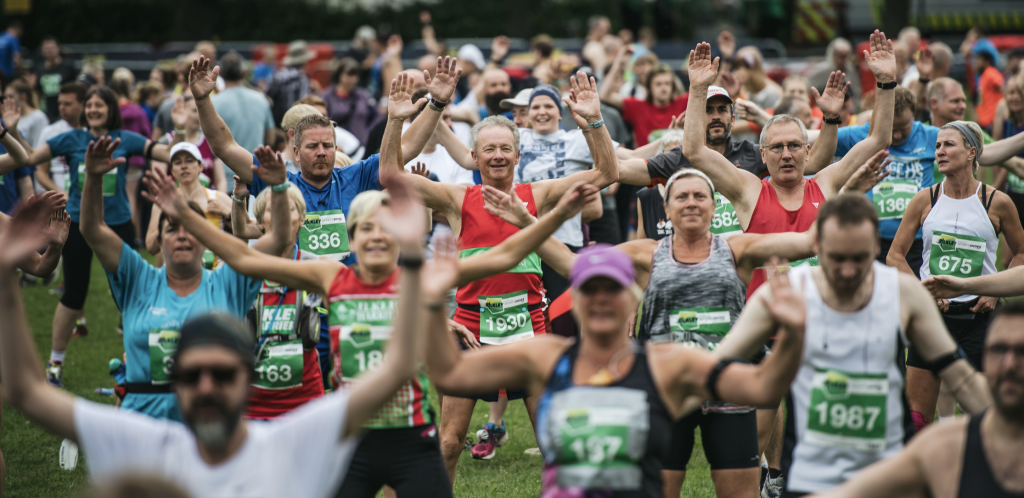
Ilkley Half Marathon 12th July 2026
19 January 2026
We are looking for operators for the Ilkley Half Marathon....
Read More
War of the Roses Ride 25 & 26 July 2026
30 November 2025
Add event to calendar Operators are needed to help...
Read More
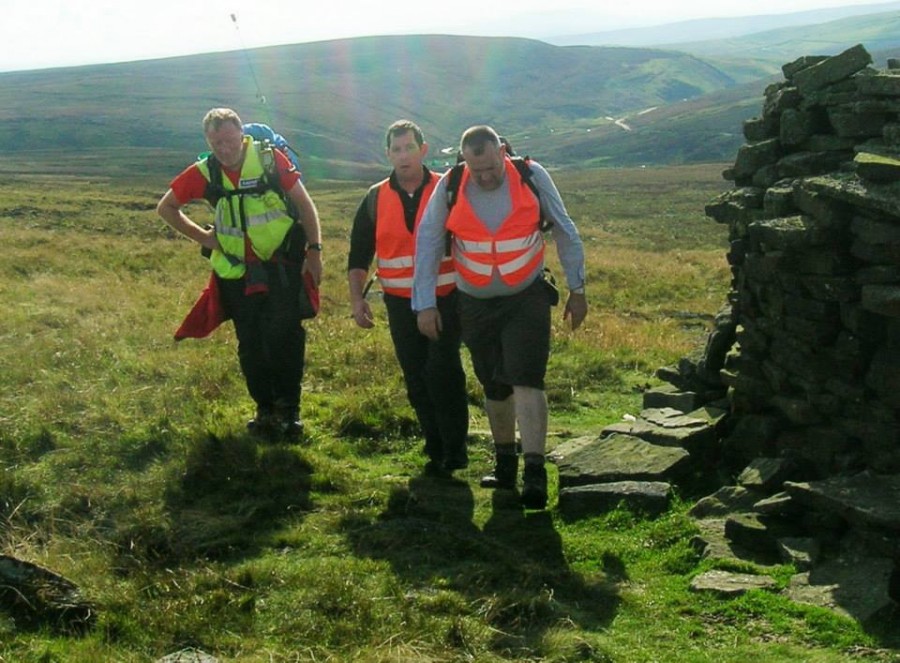
Scouts Six Dales Walk 27 September 2026
12 October 2025
Add event to calendar The Six Dales Walk takes...
Read More
Keighley Radio Society Approved – Planning
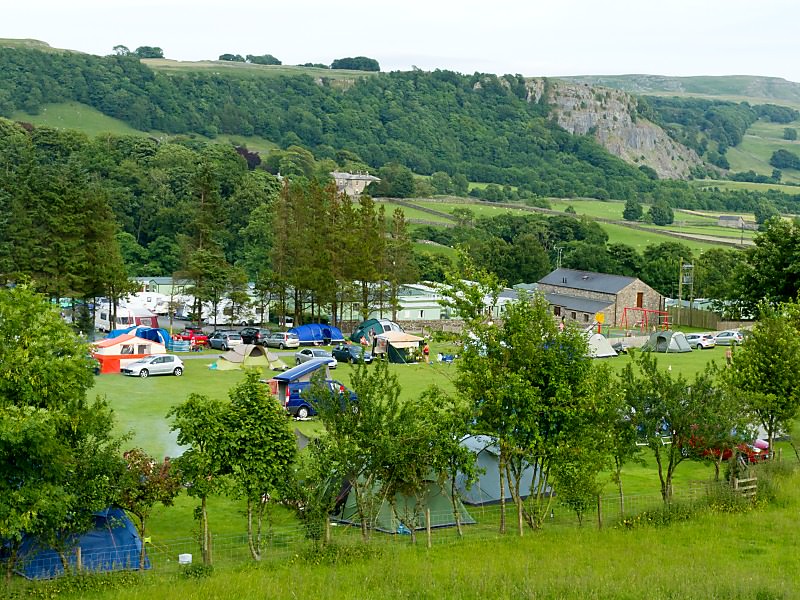
Keighley Radio Society & Keighley RAYNET Camping Friday 31st July till Sun 2nd August 2026
24 November 2025
Keighley Amateur Radio Society and Keighley RAYNET Group camping and...
Read More
Keighley Radio Society Awaiting Approval/Allocation

11th June 2026 Committee Meeting (Awaiting Approval)
31 March 2026
The meeting for the new committee will take place at...
Read More
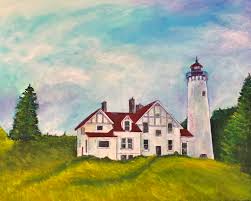
Lighthouse & Lightship Weekend (Awaiting Approval)
7 February 2026
Normally held on the 3rd full weekend in August 00.01...
Read More

Humber Fortress ARC weekend (Awaiting Approval)
28 December 2025
John M0PLN & Barry G7KHE will be coordinating with the...
Read More
JOTI-JOTA 2026 (Awaiting Approval)
3 December 2025
JOTA/JOTI Weekend JOTI-JOTA 16th -18th Oct 2026 Jamboree on the...
Read More
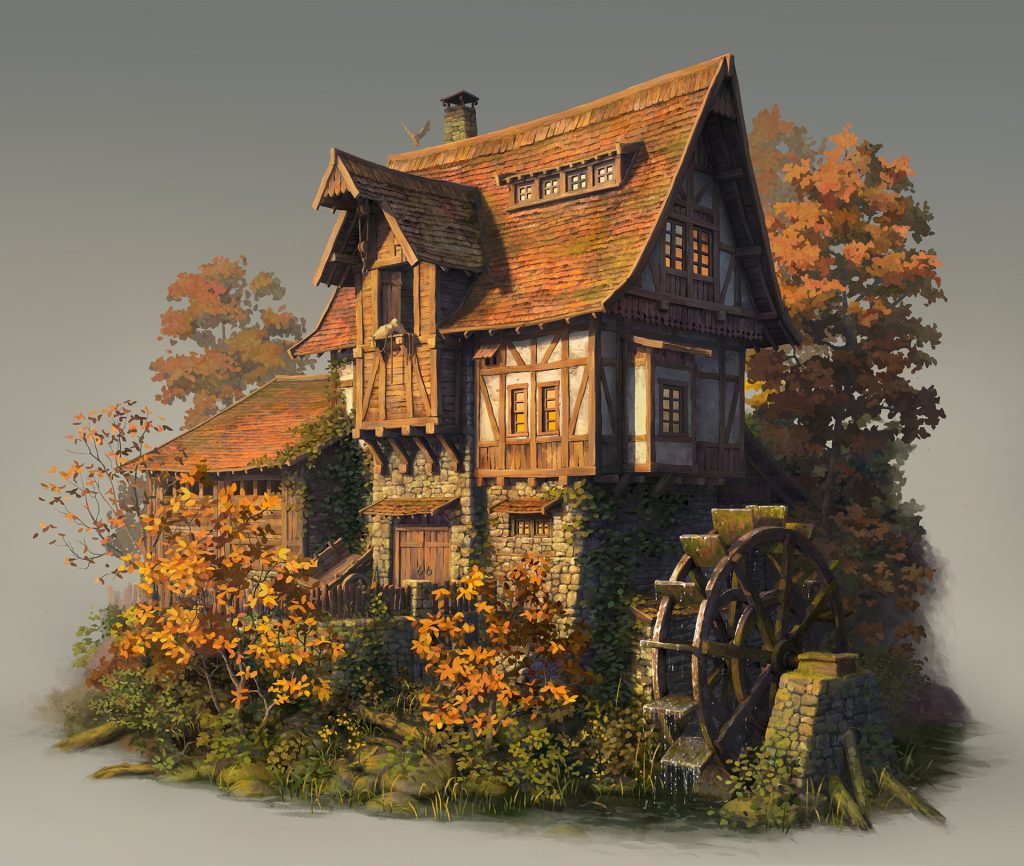
Mills on the air (Awaiting Approval)
2 December 2025
Mills on the air 9th & 10th May 2026 The...
Read More
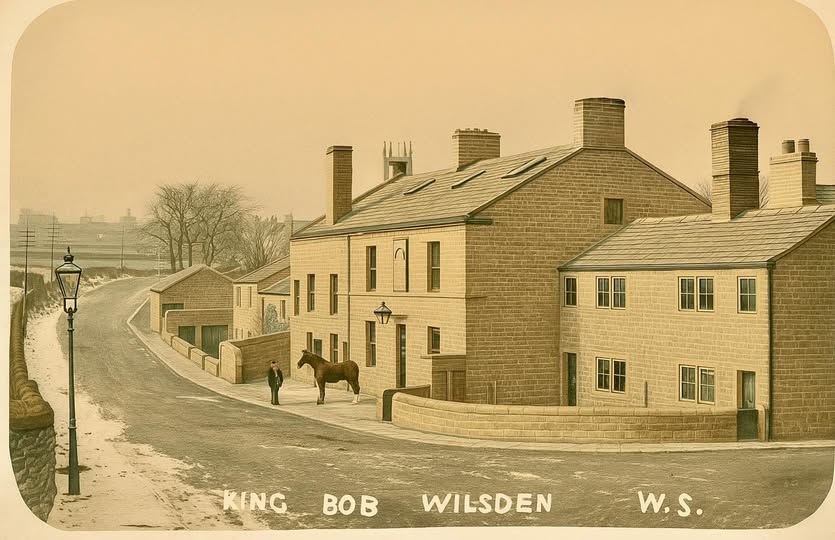
Pubs and Clubs On the Air 2026 (Awaiting Approval)
30 November 2025
The Pubs and Clubs on the air special event takes...
Read More

British Inland Waterways on the Air 2026 (Awaiting Approval)
30 November 2025
British Inland Waterways on the Air Saturday 29th - Monday...
Read More

Islands On The Air Contest 2026 (Awaiting Approval)
30 November 2025
The RSGB IOTA Contest, using the Islands on the Air...
Read More

Railways on the air 2026 (Awaiting Approval)
30 November 2025
Railways on the air 26th – 27th Sep 2026 LOGS:...
Read More

Yorkshire Day 1st August 2026 (Awaiting Approval)
30 November 2025
Yorkshire Day was first celebrated in 1975 and since then...
Read More
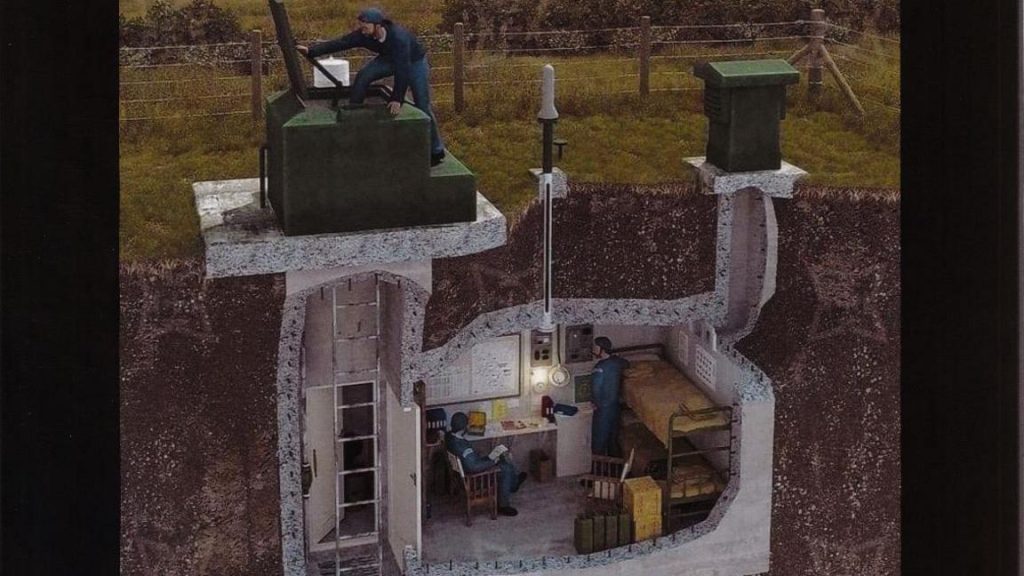
UK Bunkers on the Air 2026 (Awaiting Approval)
23 November 2025
While it’s not a contest, award certificates will be issued...
Read More

KARS Member list 2026/26
Links to Other groups
Club Committee Meeting
Club Meeting 19th Febuary 2026
 This weeks meeting of the Keighley Radio Club is on the 19th Febuary and will be in The Bronte, Lees Lane, Keighley BD22 8RA at 20:00
Committee Meetings
Club Meetings
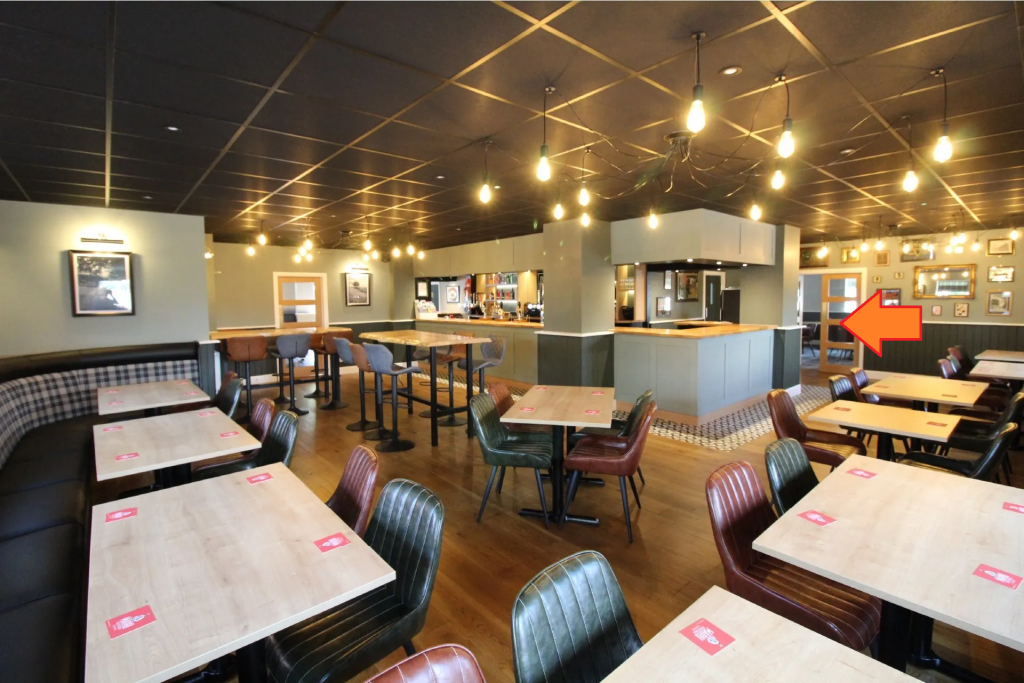
12th Febuary 2026 Club Meeting
 Mike G7HEN
5th Febuary 2026 Club Meeting
Mike G7HEN
29th January 2026 Club Meeting
Mike G7HEN
22nd January 2026 Club Meeting
Joe G0RLY, KARS Chairman
15th January 2026 Club Meeting
Joe G0RLY, KARS Chairman
11th December 2025 Club Meeting
Joe G0RLY, KARS Chairman


8th January 2026 Club Meeting
Joe G0RLY, KARS Chairman
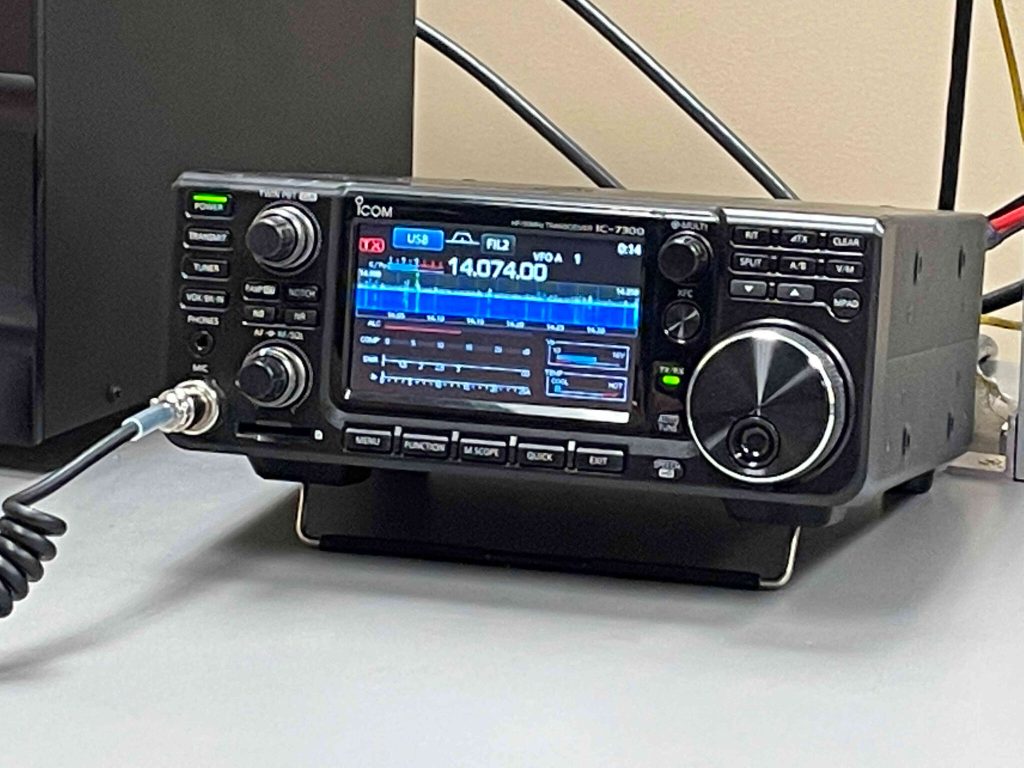

4th December 2025 Club Meeting
Joe G0RLY, KARS Chairman

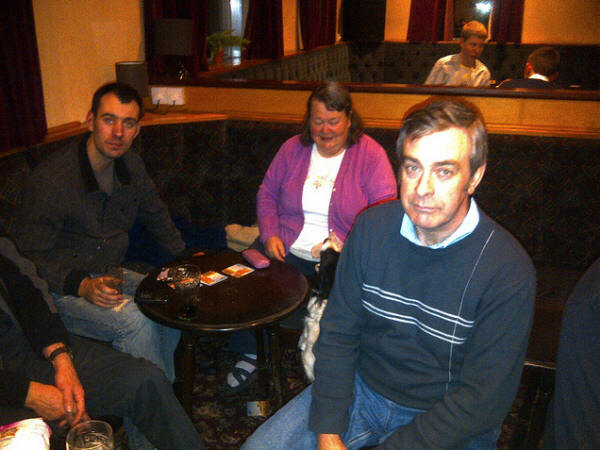
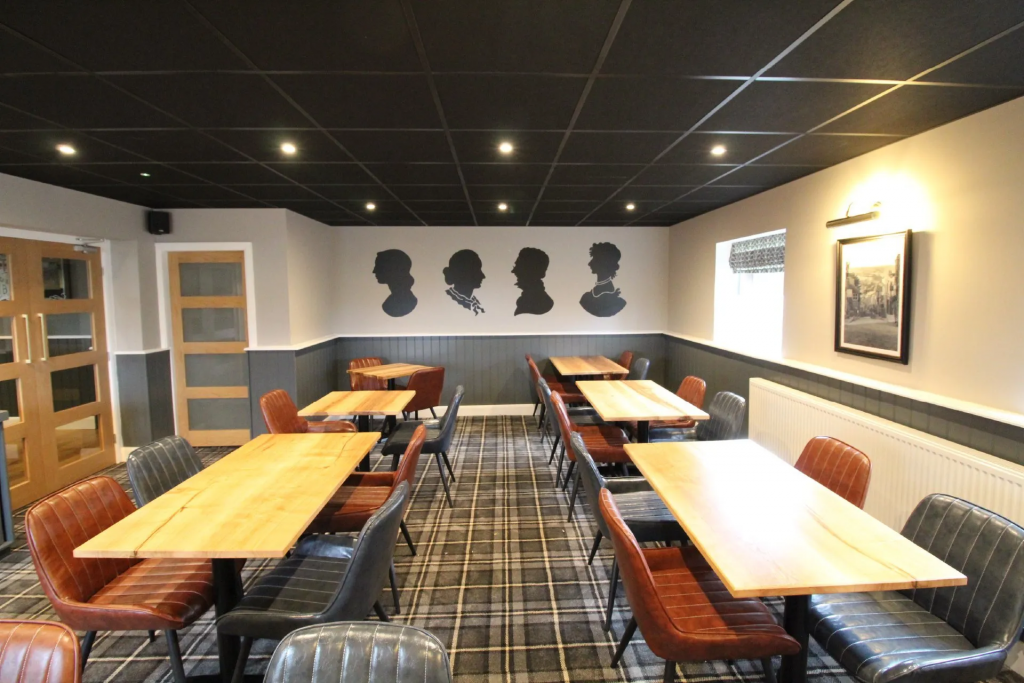
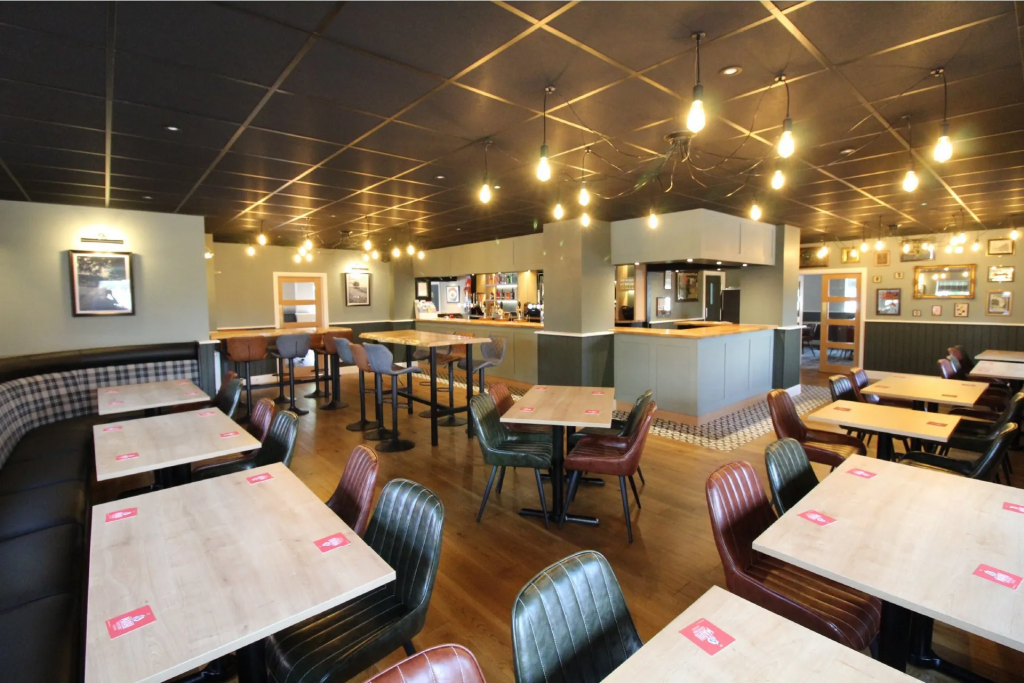


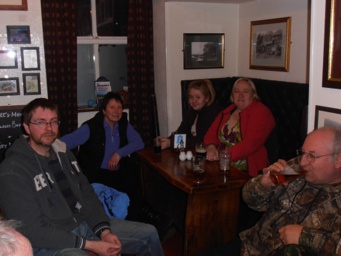
Dining with the club

Dining at the club on Thursday 11th June
Awaiting Allocation
Add event to calendar Dining at the club...
Read More
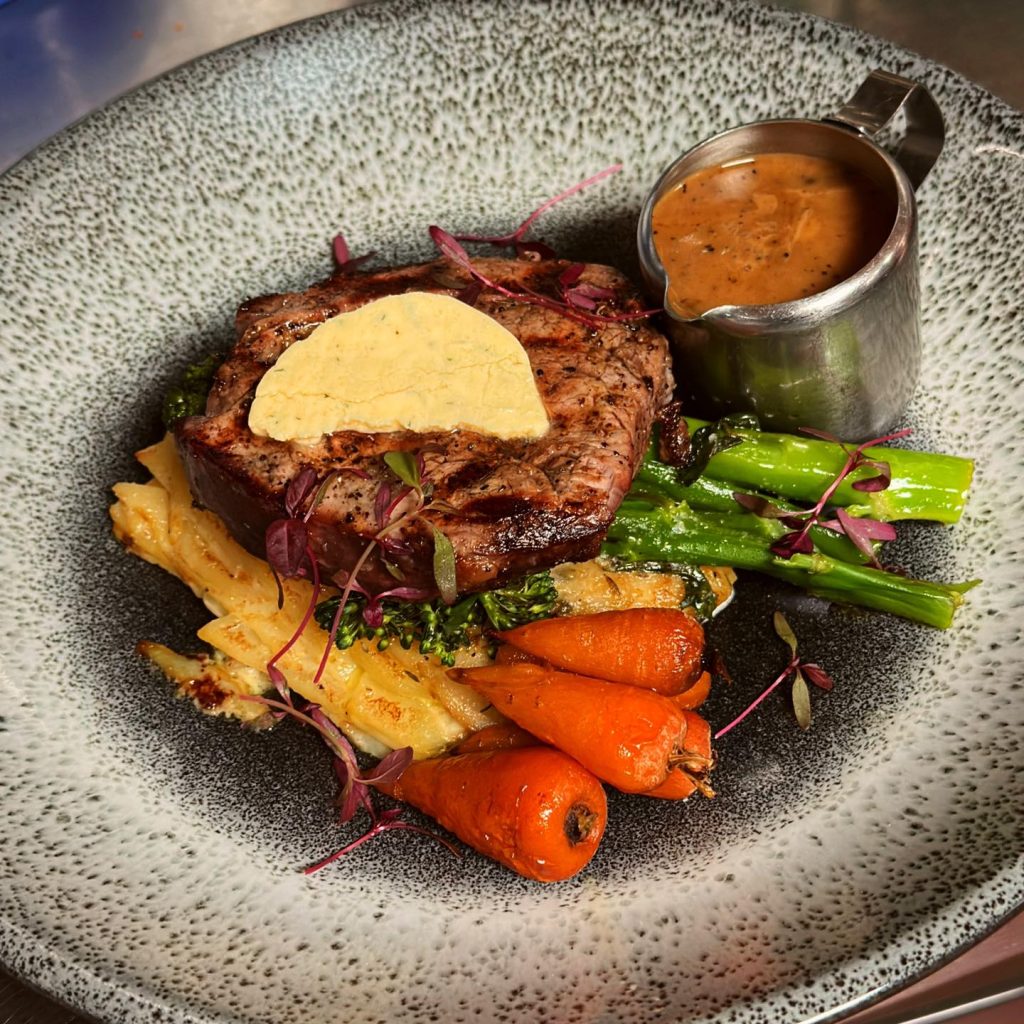
Dining at the club on Thursday 14th May
Gail M3XKY & Sheila G0TSJ
Add event to calendar The George Hotel Carpark
Read More

Dining at the club on Thursday 9th April
Sheila G0TSJ
Dining at the club on Thursday 9th April 2026 in...
Read More
Restricted Content Please Login
[ultimatemember form_id=”50″]
12th Febuary 2026 Club Meeting
12th Febuary 2026 Club Meeting
The Keighley Amateur Radio Society meeting will be held in the The Bronte, Lees Lane, Keighley BD22 8RA at 20:00
5th Febuary 2026 Club Meeting
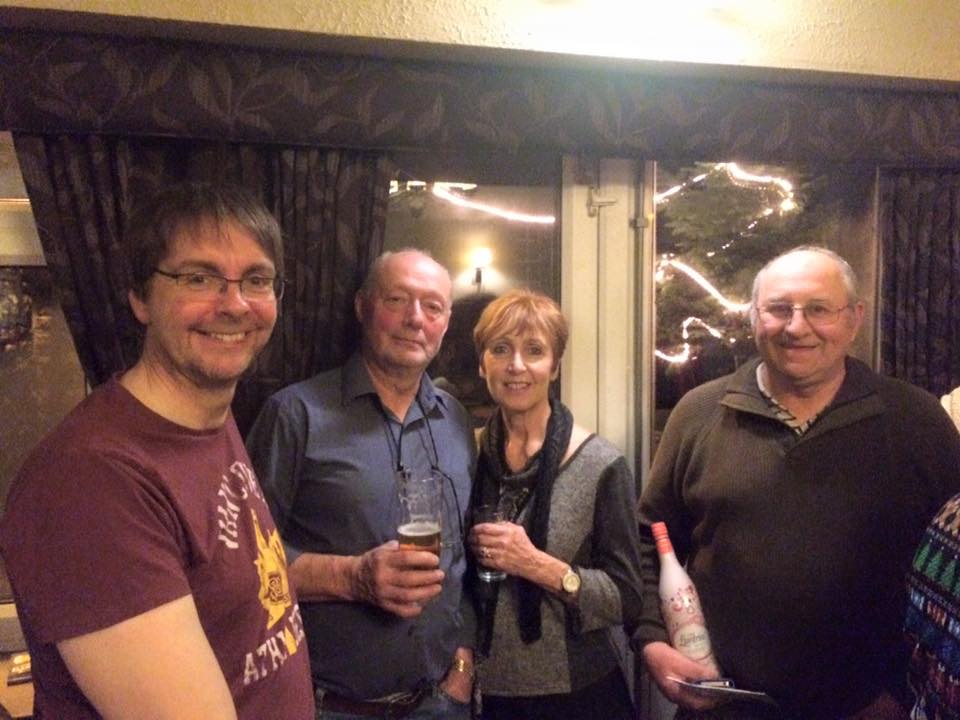
5th Febuary 2026 Club Meeting
The Keighley Amateur Radio Society meeting will be held in the The Bronte, Lees Lane, Keighley BD22 8RA at 20:00
Keighley RAYNET will be attending, If you need any help with the Rombald Stride
29th January 2026 Club Meeting

29th January 2026 Club Meeting
The Keighley Amateur Radio Society meeting will be held in the The Bronte, Lees Lane, Keighley BD22 8RA at 20:00
image_carousel

keighley-radio-society-calendar
raynet-calendar
keighley-radio-society-club-events
Keighley Radio Society Club Events
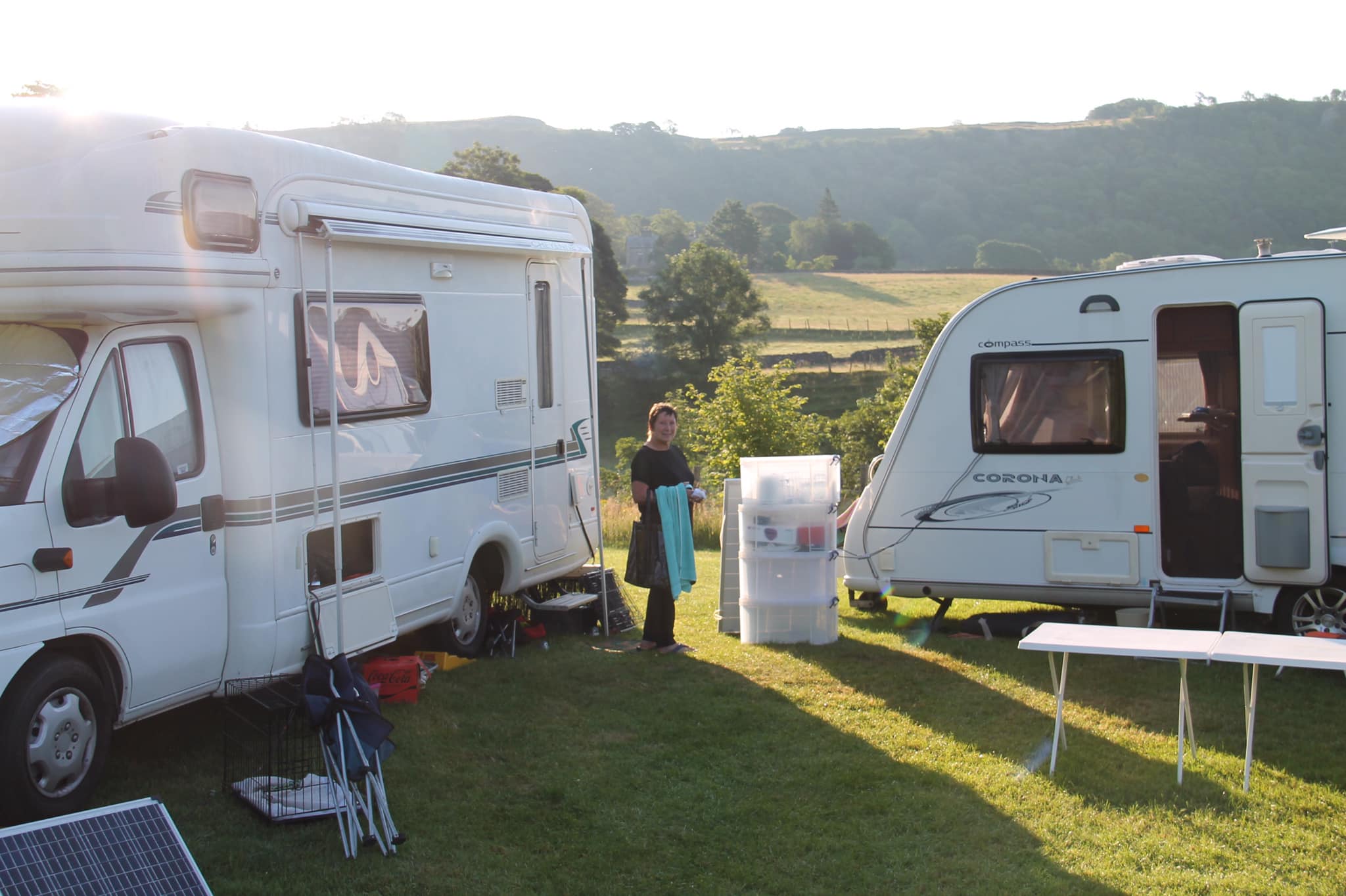
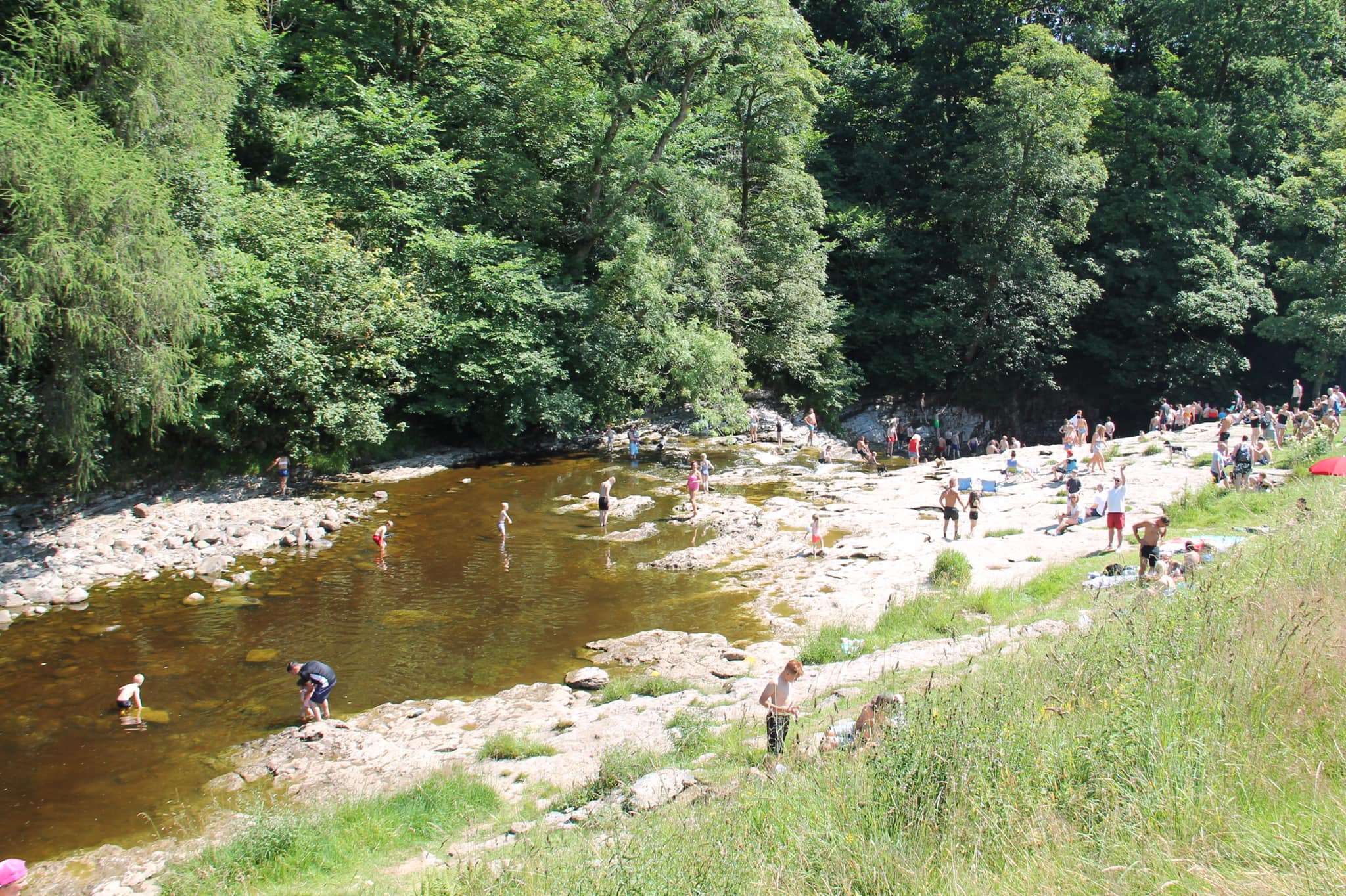
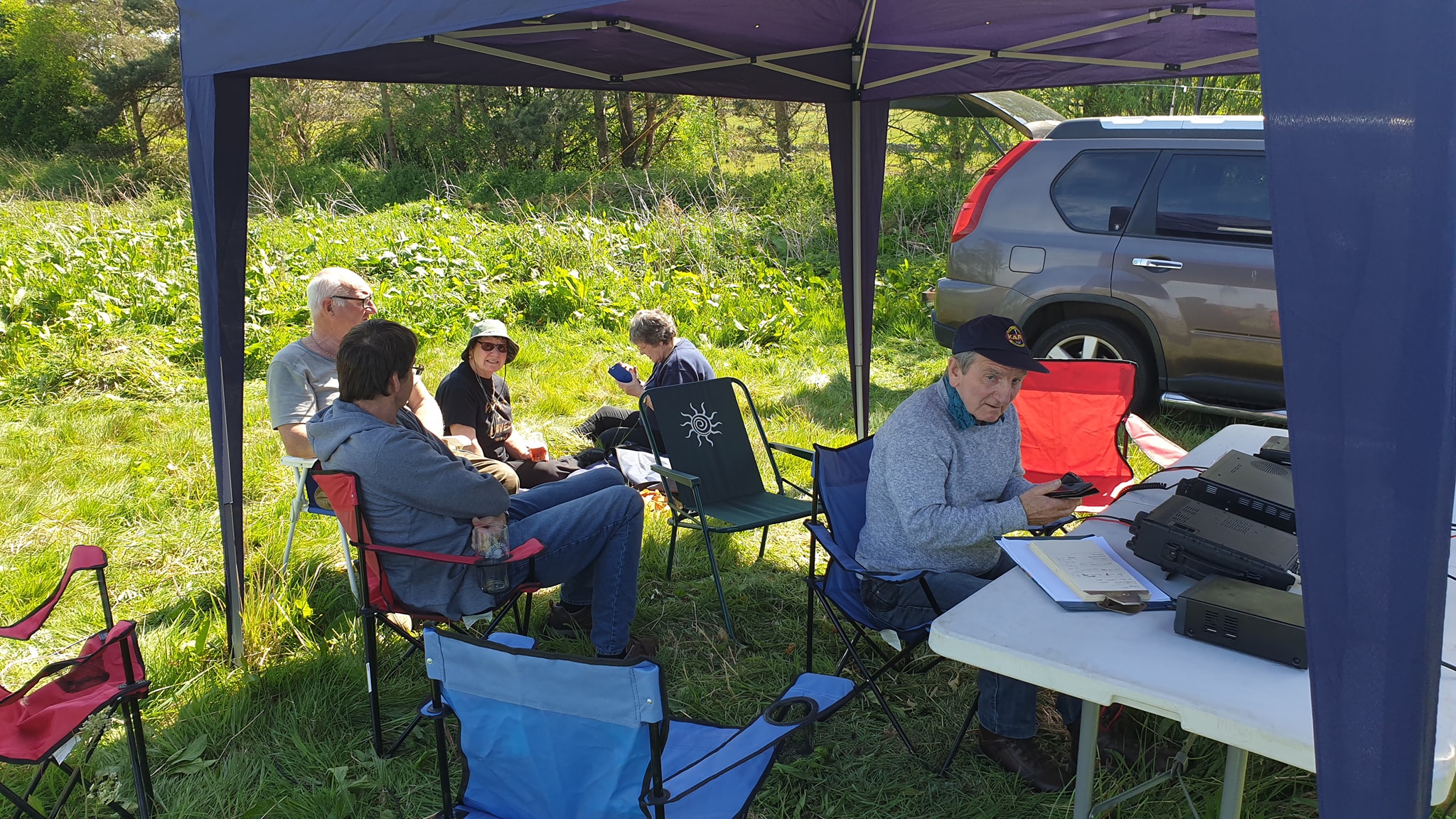
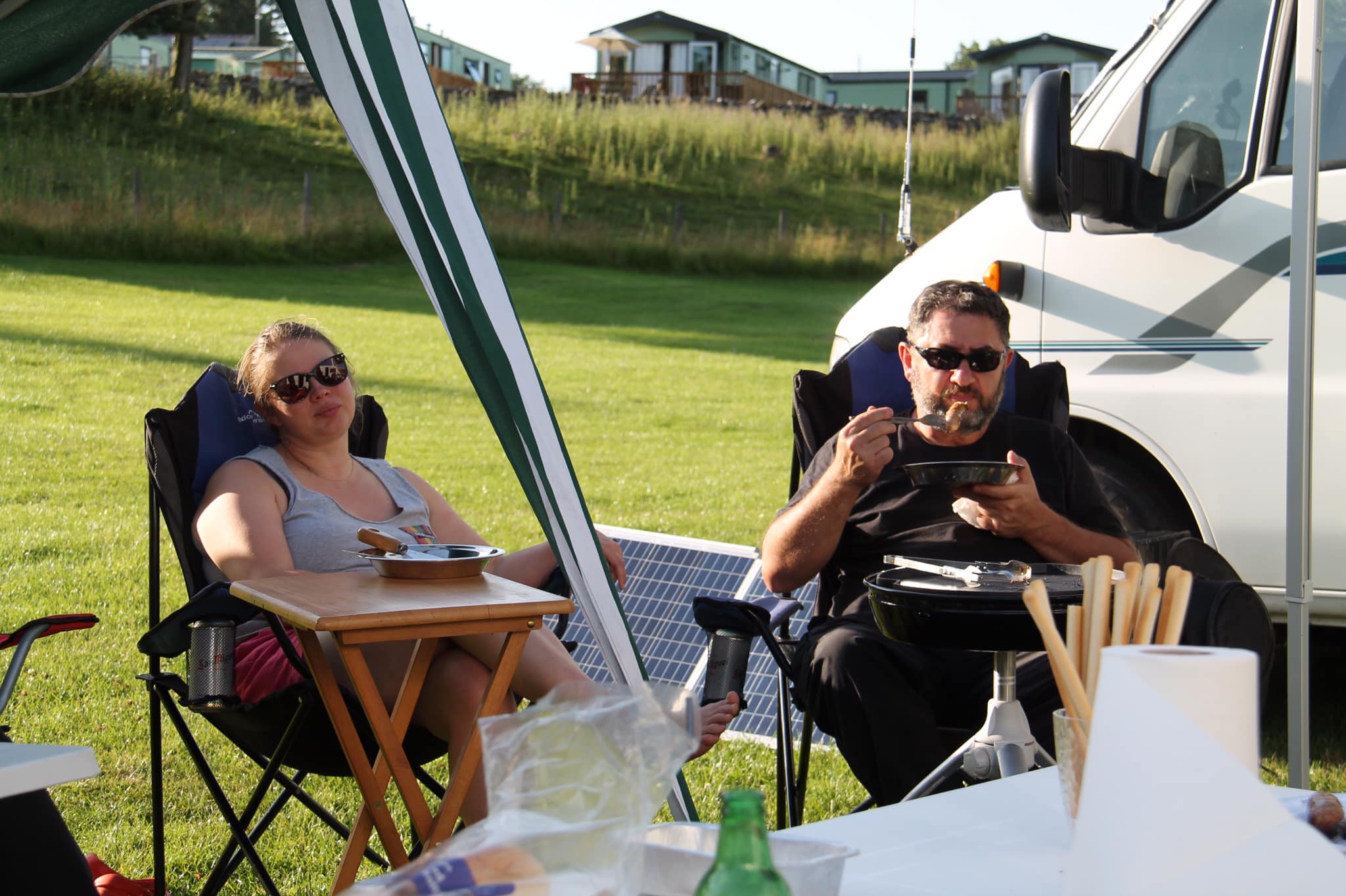
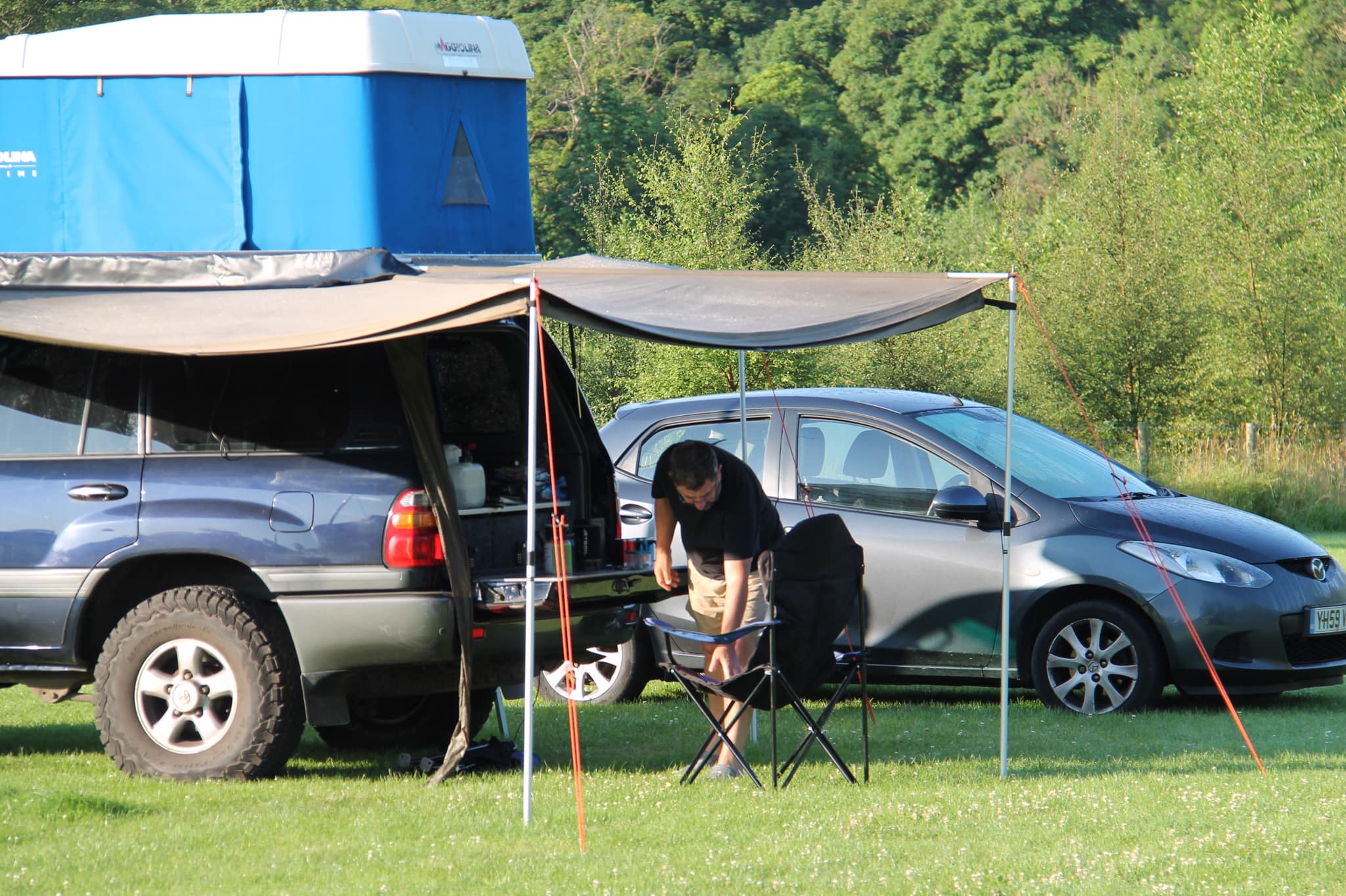
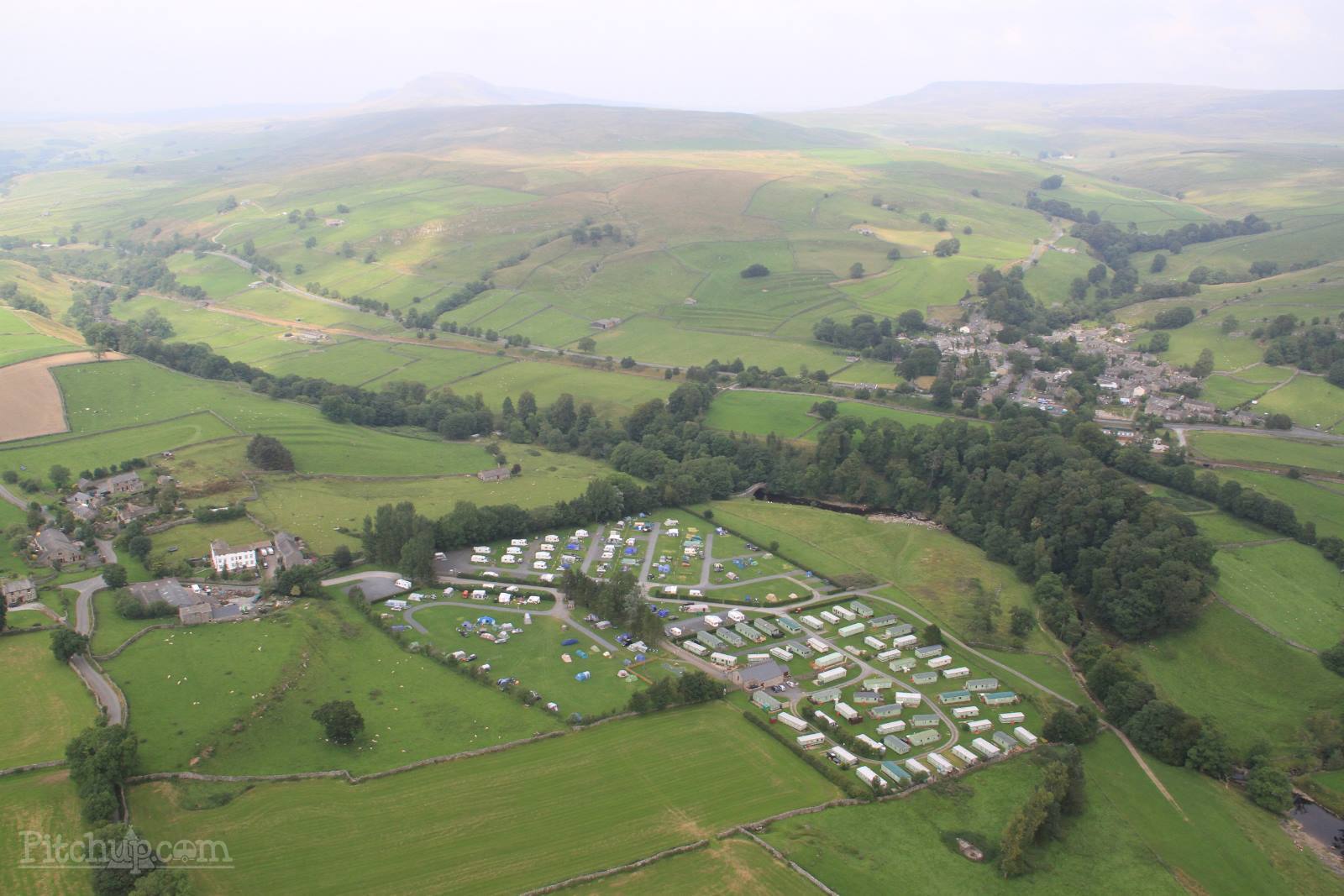
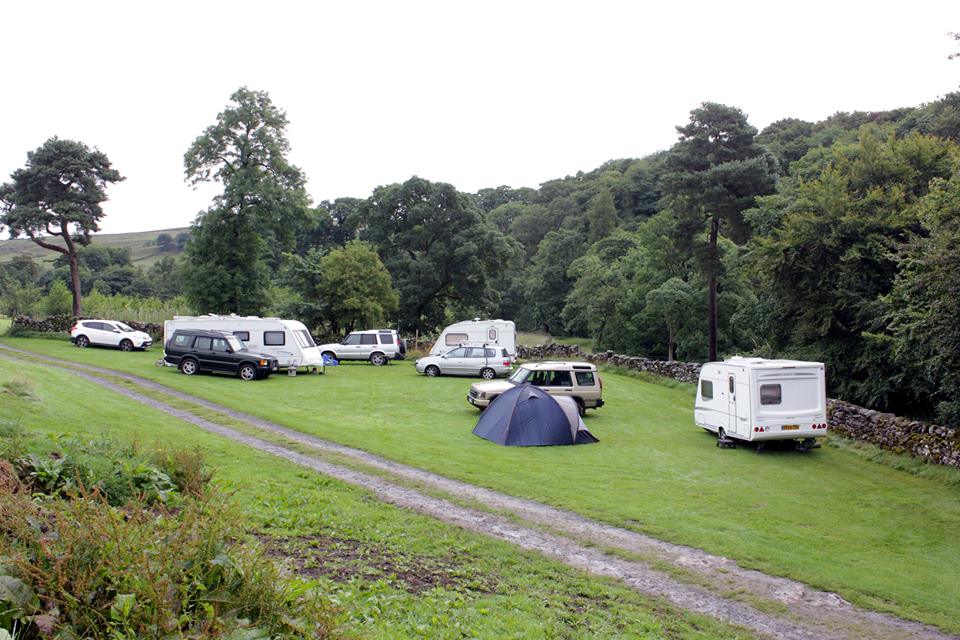
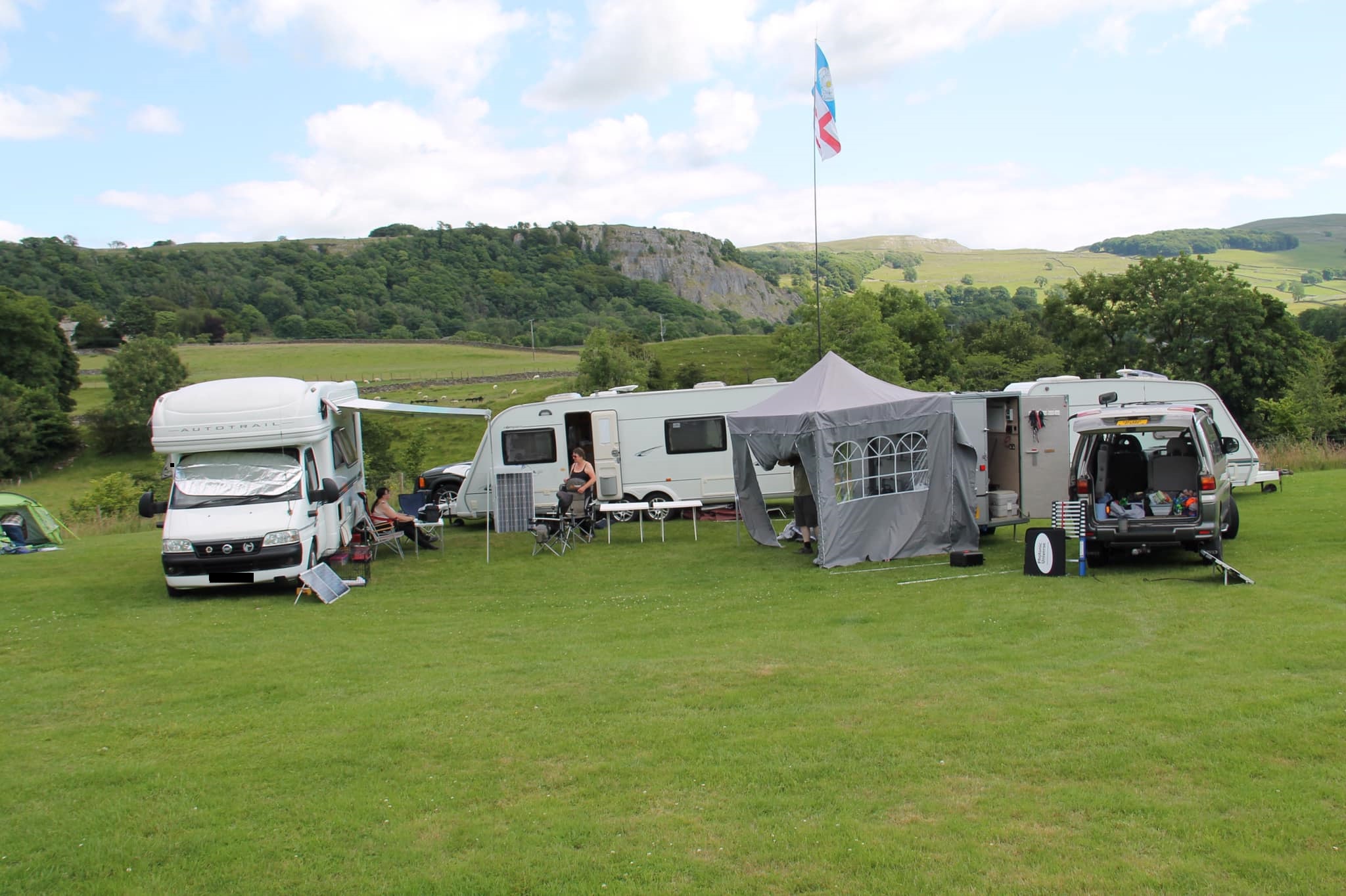
Keighley Radio Society & Keighley RAYNET Camping Friday 31st July till Sun 2nd August 2026
Joe G0RKY or Geoff G7JZM
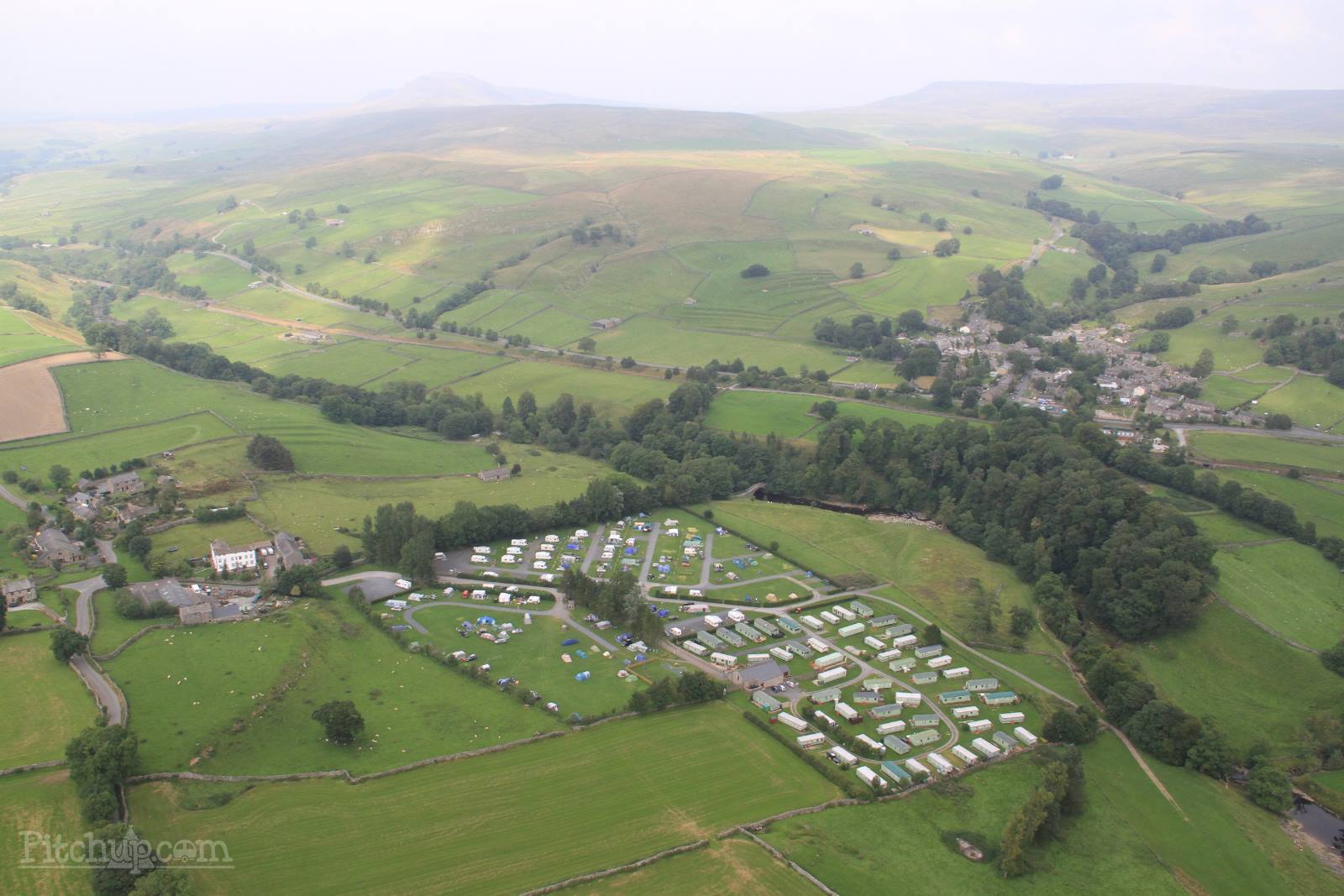
Keighley Amateur Radio Society and Keighley RAYNET Group camping and caravanning weekend in July 2026,...
Read More
keighley-radio-society-archive

keighley-radio-society-awaiting-approval-allocation
Keighley Radio Society Awaiting Approval/Allocation
Lighthouse & Lightship Weekend (Awaiting Approval)
Awaiting Allocation
Humber Fortress ARC weekend (Awaiting Approval)
John M0PLN & Barry G7KHE
JOTI-JOTA 2026 (Awaiting Approval)
Awaiting Allocation
Mills on the air (Awaiting Approval)
Awaiting Allocation
Pubs and Clubs On the Air 2026 (Awaiting Approval)
Awaiting Allocation
British Inland Waterways on the Air 2026 (Awaiting Approval)
Awaiting Allocation
Islands On The Air Contest 2026 (Awaiting Approval)
Awaiting Allocation
keighley-radio-society-news-2
Keighley Radio Society News
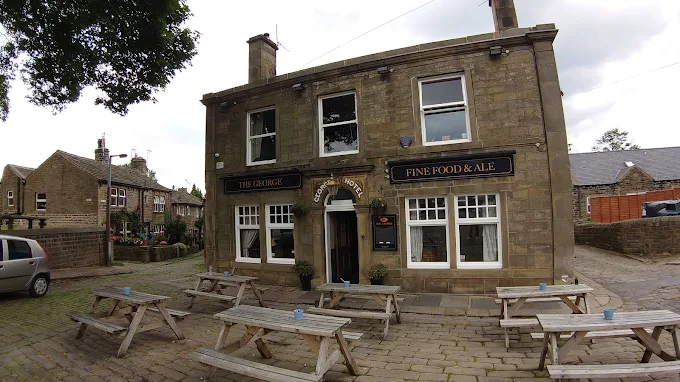
Radio club night at the George Hotel
Joe G0RLY, KARS Chairman
Please note:- Just for tonight, we will be holding our Radio club night at the...
Read More

Keighley Amateur Radio Society subs are now due
Mark G1NQU, KARS Treasurer
Keighley Amateur Radio Society subs are now due, £5 for the year for existing members,...
Read More
KARS AGM will take place on 26th March 2026
Shirley M0KWS, Secretary
Hi All Please note The Keighley Amateur Radio Society AGM will be held at The...
Read More
Yorkshire Day 1st August 2026 (Awaiting Approval)
Awaiting Allocation
Yorkshire Day was first celebrated in 1975 and since then a string of towns and...
Read More
Keighley Radio Society & Keighley RAYNET Camping Friday 31st July till Sun 2nd August 2026
Joe G0RKY or Geoff G7JZM
Keighley Amateur Radio Society and Keighley RAYNET Group camping and caravanning weekend in July 2026,...
Read More
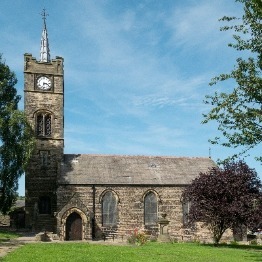
Churches on the Air 13th September 2025
John M0PLN & Barry G7KHE
Churches on the Air event on the 13th September 2025, please put the date in...
Read More
page in page template
keighley-radio-society-news
Keighley Radio Society News
Radio club night at the George Hotel
Joe G0RLY, KARS Chairman
Please note:- Just for tonight, we will be holding our Radio club night at the...
Read More
Keighley Amateur Radio Society subs are now due
Mark G1NQU, KARS Treasurer
Keighley Amateur Radio Society subs are now due, £5 for the year for existing members,...
Read More
KARS AGM will take place on 26th March 2026
Shirley M0KWS, Secretary
Hi All Please note The Keighley Amateur Radio Society AGM will be held at The...
Read More
Yorkshire Day 1st August 2026 (Awaiting Approval)
Awaiting Allocation
Yorkshire Day was first celebrated in 1975 and since then a string of towns and...
Read More
Keighley Radio Society & Keighley RAYNET Camping Friday 31st July till Sun 2nd August 2026
Joe G0RKY or Geoff G7JZM
Keighley Amateur Radio Society and Keighley RAYNET Group camping and caravanning weekend in July 2026,...
Read More
Churches on the Air 13th September 2025
John M0PLN & Barry G7KHE
Churches on the Air event on the 13th September 2025, please put the date in...
Read More
page-in-page-template
keighley-radio-society-committee-files
Keighley Radio Society Committee – Files

Members list with email
https://webmail.fasthosts.co.uk/?user=club@keighleyradio.co.uk 2026@2026 Radio Club Members mike@keighelyradio.co.uk; geoffg7jzm@gmail.com; shirley@mmofficeservices.co.uk;...
Read More
Committee Meeting Minutes
Oct 2025 Committee Meeting August-2025-Committee-Meeting.pdf Aug 2023 Committee...
Read More

Radio Club – Add Risk assessment
Refresh Page
Read More




Radio Club Constitution
constitution Constitution 2022 Constitution 2023
Read More
keighley-radio-society-committee-news
Keighley Radio Society Committee – News
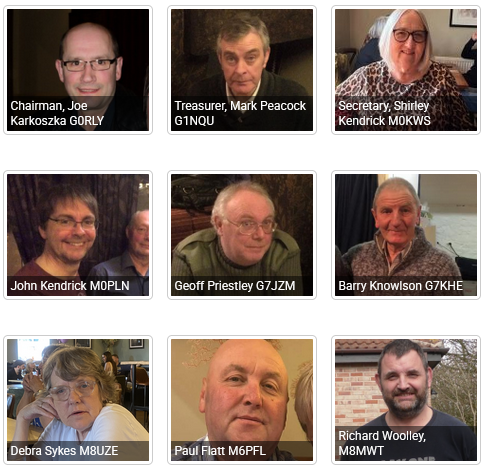
14 May Committee Meeting
Add event to calendar The meeting will...
Read More
Dining at the club on Thursday 14th May
Add event to calendar The George Hotel...
Read More
Radio club night at the George Hotel
Please note:- Just for tonight, we will be...
Read More
Keighley Amateur Radio Society subs are now due
Keighley Amateur Radio Society subs are now due,...
Read More
Lighthouse & Lightship Weekend (Awaiting Approval)
Normally held on the 3rd full weekend in...
Read More
Humber Fortress ARC weekend (Awaiting Approval)
John M0PLN & Barry G7KHE will be coordinating...
Read More
JOTI-JOTA 2026 (Awaiting Approval)
JOTA/JOTI Weekend JOTI-JOTA 16th -18th Oct 2026 Jamboree...
Read More
Mills on the air (Awaiting Approval)
Mills on the air 9th & 10th May...
Read More
Pubs and Clubs On the Air 2026 (Awaiting Approval)
The Pubs and Clubs on the air special...
Read More
British Inland Waterways on the Air 2026 (Awaiting Approval)
British Inland Waterways on the Air Saturday 29th...
Read More
Islands On The Air Contest 2026 (Awaiting Approval)
The RSGB IOTA Contest, using the Islands on...
Read More
Railways on the air 2026 (Awaiting Approval)
Railways on the air 26th – 27th Sep...
Read More
Yorkshire Day 1st August 2026 (Awaiting Approval)
Yorkshire Day was first celebrated in 1975 and...
Read More
Keighley Radio Society & Keighley RAYNET Camping Friday 31st July till Sun 2nd August 2026
Keighley Amateur Radio Society and Keighley RAYNET Group...
Read More
UK Bunkers on the Air 2026 (Awaiting Approval)
While it’s not a contest, award certificates will...
Read More
kars-committee-meeting
Committee Meeting
14 May Committee Meeting
Add event to calendar The meeting will...
Read More

12th Feb 2026 Committee Meeting
The meeting will take place at 20:30 in...
Read More
13th Nov 2025 Committee Meeting
The meeting will take place at 20:30 in...
Read More

9th Oct 2025 Committee Meeting
The meeting will take place at 20:30 in...
Read More

14th Aug 2025 Committee Meeting
The meeting will take place at 20:30 in...
Read More